
Crypto & Financial Privacy: Balancing Transparency

Did you know that the global cryptocurrency market capitalization recently surpassed $2 trillion? This staggering figure highlights the immense growth and adoption of digital assets. Yet, alongside this surge in popularity comes a growing debate: how does cryptocurrency impact financial privacy in an increasingly transparent world? While often touted for its anonymity, the reality of crypto’s privacy is far more nuanced, presenting both exciting opportunities and significant challenges.
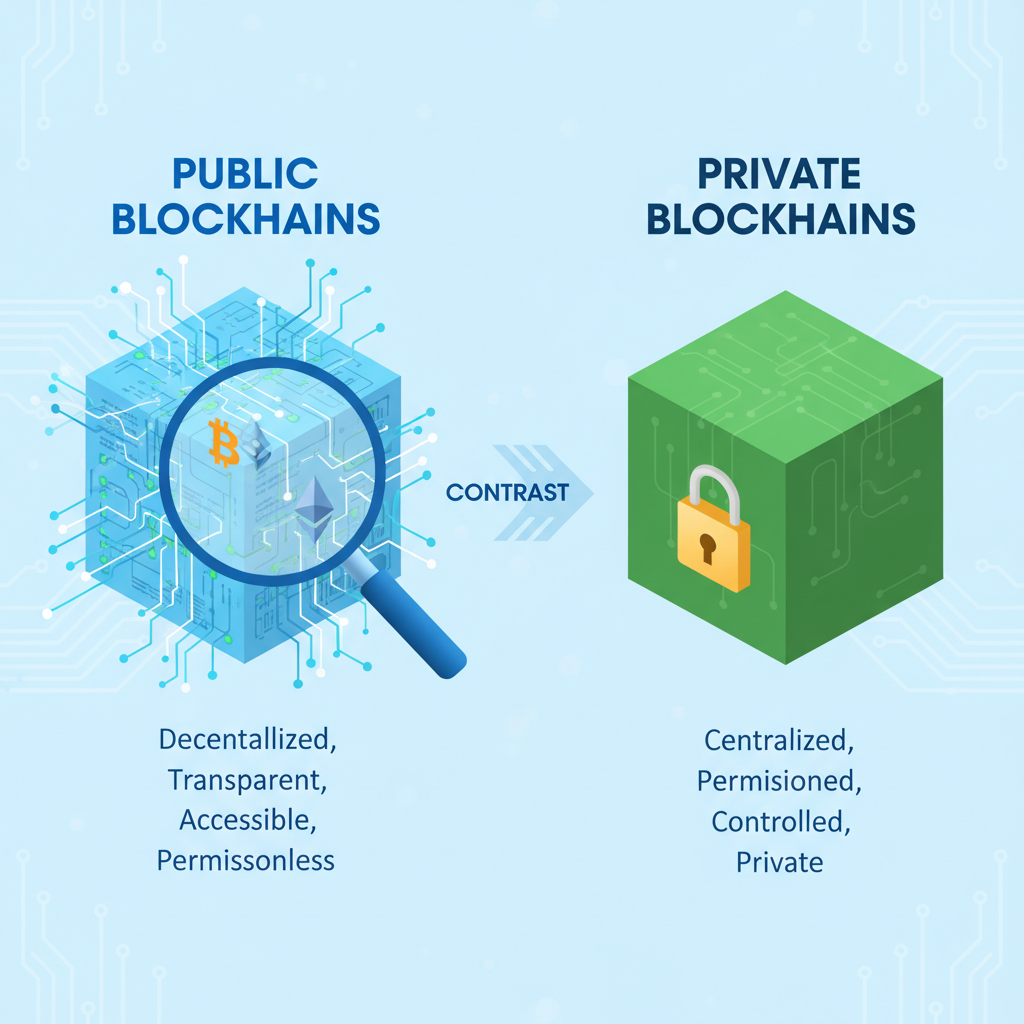
Table of Contents
The Illusion of Anonymity: Understanding Blockchain Transparency
Many people believe that cryptocurrencies like Bitcoin offer complete anonymity. This perception, however, is largely a misconception. The technology underpinning most cryptocurrencies is called blockchain, which is essentially a distributed, immutable ledger. Every transaction ever made is recorded on this public ledger and is accessible to anyone. While user identities aren’t directly linked to wallet addresses, these addresses can be traced. Law enforcement agencies and blockchain analysis firms can, and do, track the flow of funds, potentially linking wallet addresses to real-world identities through various means, such as exchange registration details or other online activities.
Public vs. Private Blockchains
It’s important to distinguish between different types of blockchains. Public blockchains, like Bitcoin and Ethereum, are open for anyone to join and participate in. Their transparency is a core feature, promoting decentralization and trust. However, this openness means transactions are publicly visible. Private blockchains, on the other hand, are permissioned. Only authorized participants can access and validate transactions. This offers a higher degree of privacy but sacrifices the decentralization that is a hallmark of public cryptocurrencies. For those seeking enhanced privacy within the crypto space, exploring privacy-focused coins and technologies becomes crucial.
Privacy Coins: A Deeper Dive
Recognizing the limitations of Bitcoin’s pseudo-anonymity, a class of cryptocurrencies known as privacy coins has emerged. These digital assets are specifically designed to obscure transaction details, making them much harder to trace. Some of the most well-known privacy coins include:
- Monero (XMR): Monero uses advanced cryptographic techniques like ring signatures and stealth addresses to hide the sender, receiver, and transaction amounts. Ring signatures blend the transaction with a group of other potential senders, making it impossible to pinpoint the true origin. Stealth addresses generate unique, one-time addresses for each transaction, preventing the linking of multiple transactions to a single entity.
- Zcash (ZEC): Zcash employs zk-SNARKs (zero-knowledge succinct non-interactive arguments of knowledge), a sophisticated form of cryptography that allows one party to prove the truth of a statement to another party without revealing any information beyond the truth of the statement itself. This enables “shielded transactions” where sender, receiver, and amount are completely obscured.
- Dash (DASH): While not as private as Monero or Zcash by default, Dash offers a feature called PrivateSend. This service uses a mixing technique to obscure the origin of coins, making them harder to trace. However, its privacy level is generally considered less robust than that of dedicated privacy coins.
These privacy coins represent a significant advancement in the quest for financial privacy within the digital asset landscape. However, their increased privacy also raises regulatory concerns, as they can be more attractive for illicit activities.
The Regulatory Landscape: A Balancing Act
The inherent transparency of public blockchains, while beneficial for auditing and preventing certain types of fraud, also presents challenges for regulators. Governments worldwide are grappling with how to oversee the cryptocurrency market while respecting user privacy. The rise of privacy coins has further complicated this, as their untraceable nature can make it difficult to enforce anti-money laundering (AML) and know-your-customer (KYC) regulations.
Key regulatory concerns include:
- Money Laundering and Terrorism Financing: The ability to conduct anonymous transactions can be exploited by criminals to launder illicit funds or finance terrorist activities.
- Tax Evasion: The difficulty in tracing transactions can lead to individuals attempting to evade taxes on their crypto gains.
- Consumer Protection: Regulators are concerned about protecting consumers from fraud and scams within the less transparent aspects of the crypto market.
In response, some jurisdictions have considered or implemented bans on privacy coins, while others are focusing on stricter KYC/AML requirements for cryptocurrency exchanges. The U.S. Securities and Exchange Commission (SEC), for instance, has been actively pursuing enforcement actions against crypto platforms. The Financial Crimes Enforcement Network (FinCEN) also plays a crucial role in setting guidelines for digital asset transactions.
Cryptography and Decentralization: Pillars of Privacy
At its core, cryptocurrency’s potential for financial privacy is built upon two fundamental principles: cryptography and decentralization.
- Cryptography: As discussed with privacy coins, advanced cryptographic techniques are essential for obscuring transaction details. Public-key cryptography, the foundation of most cryptocurrencies, allows for secure transactions without revealing private keys. However, the application of these cryptographic principles determines the level of privacy.
- Decentralization: The decentralized nature of many blockchains means no single entity controls the network. This prevents censorship and single points of failure, which can indirectly contribute to financial privacy by reducing reliance on traditional financial intermediaries that often collect extensive personal data.
The Future of Financial Privacy in the Digital Age
The conversation around crypto and financial privacy is ongoing and evolving rapidly. Several trends are shaping the future:
- Technological Advancements: Expect continued innovation in privacy-enhancing technologies. Solutions like Layer 2 scaling solutions and zero-knowledge proofs are being developed to offer more privacy without sacrificing scalability or security.
- Regulatory Evolution: Governments will continue to refine their approaches to cryptocurrency regulation. The challenge lies in finding a balance that fosters innovation and protects users while mitigating risks.
- User Demand: As awareness of digital privacy grows, so too will the demand for more private financial solutions, both within and outside the traditional financial system.
For individuals interested in exploring the cryptocurrency space while maintaining a degree of financial privacy, it’s crucial to do thorough research. Understanding the specific features of different cryptocurrencies and the platforms they operate on is paramount. For those looking to engage with the broader cryptocurrency ecosystem, platforms like 777bet io fun offer a gateway to various digital assets, though it’s always important to understand the privacy implications of any service used.
Expert Opinions
Dr. Emin Gün Sirer, a leading computer scientist and researcher in distributed systems, has often spoken about the trade-offs between transparency and privacy in blockchain technology. He notes that “perfect anonymity is a myth in most public blockchains. While transactions are pseudonymous, they can be deanonymized with enough effort. True privacy requires specific design choices and cryptographic techniques.” This sentiment underscores the need for users to be informed about the capabilities and limitations of different crypto assets.
Another prominent figure in the crypto space, Andreas M. Antonopoulos, a well-known author and speaker on Bitcoin and blockchain, emphasizes the importance of privacy as a fundamental right. He states, “Privacy is not about hiding wrongdoing; it’s about controlling your personal information. In a world that is increasingly surveilled, cryptocurrencies offer tools to reclaim some of that control, but they are not a magic bullet.” His insights highlight that privacy in the digital age is a complex, multi-faceted issue.
Statistics on Privacy Concerns
Surveys consistently show a growing public concern for digital privacy. A recent study by Pew Research Center found that a significant majority of Americans express concerns about how companies and the government use their personal data. This sentiment extends to financial data, making the privacy features of cryptocurrencies a compelling, albeit often misunderstood, aspect of their appeal.
Conclusion
The relationship between cryptocurrency and financial privacy is a dynamic and often contradictory one. While public blockchains offer unparalleled transparency, the emergence of privacy coins and advanced cryptographic techniques provides avenues for enhanced financial confidentiality. The challenge lies in navigating this complex landscape, understanding the technological nuances, and staying informed about the evolving regulatory environment. As digital assets continue to mature, the debate over privacy versus transparency will undoubtedly remain at the forefront, shaping the future of finance in our increasingly connected world. For individuals seeking to participate in this evolving ecosystem, informed decision-making and a critical understanding of privacy implications are more important than ever.
Frequently Asked Questions (FAQs)
- Are all cryptocurrencies anonymous?
No, not all cryptocurrencies are anonymous. Bitcoin and Ethereum, for example, are pseudonymous, meaning transactions are linked to wallet addresses, not directly to real-world identities. However, these addresses can be traced. Dedicated privacy coins like Monero and Zcash offer much higher levels of anonymity.
- Can my cryptocurrency transactions be tracked?
Yes, transactions on public blockchains can be tracked by anyone with access to a blockchain explorer. While your identity might not be immediately visible, the flow of funds between wallet addresses can be analyzed. This is particularly true for non-privacy coins.
- Are privacy coins legal?
The legality of privacy coins varies by jurisdiction. Some countries have banned or restricted their use due to concerns about illicit activities. However, in many places, they are legal to own and trade, although exchanges may face stricter regulatory requirements.
- How can I increase my financial privacy with cryptocurrencies?
To enhance your financial privacy, consider using privacy-focused cryptocurrencies, employing techniques like coin mixing (with caution, as it can raise red flags), using decentralized exchanges (DEXs) where possible, and being mindful of your online footprint and how it might be linked to your crypto activities. Always perform thorough research before using any cryptocurrency for privacy purposes.


